Ever found yourself scratching your head over insurance rates? You’re not alone! Navigating the world of insurance rates can feel like deciphering a secret code, especially in a state as diverse as North Carolina. But fear not, we’re here to break it down for you. Whether you’re a new resident or a seasoned North Carolinian, understanding how insurance rates are determined across the state can empower you to make informed decisions and potentially save money.
In this guide, we’re diving deep into the factors that influence insurance rates, the types of insurance available, and the best strategies to choose an insurance provider that fits your needs. With insights into trends, regulatory impacts, and future predictions, you’ll be well-equipped to unlock the best insurance rates in NC. So, grab a cup of coffee, sit back, and let’s uncover the secrets to savvy insurance shopping!
Understanding Insurance Rates in NC
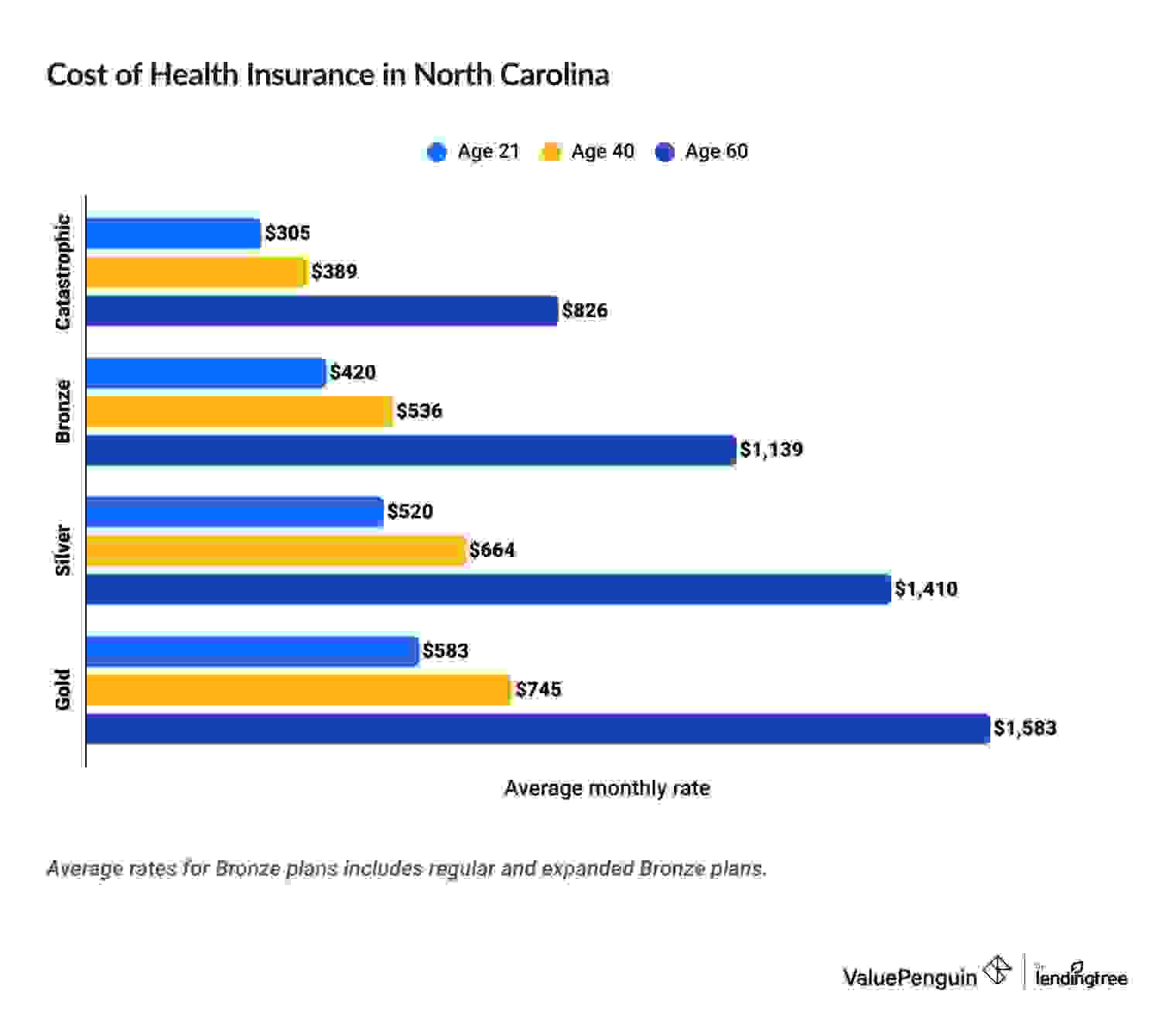
Did you know that where you live in North Carolina can make or break your insurance rate? It’s true! Insurance rates in NC are influenced by a cocktail of factors that you should be aware of.
From your driving record to your credit score and even where you park your car at night, each detail plays a role in determining your *insurance premium*. The price you pay can vary significantly based on these elements.
Factors Influencing Insurance Rates in North Carolina
In North Carolina, several unique factors influence your insurance rates. Your location within the state is crucial. Urban areas like Charlotte or Raleigh might have higher rates due to increased traffic and claim risks compared to rural towns.
Age and driving experience are other key factors. Young drivers typically face higher rates because of their inexperience, while older, more experienced drivers often enjoy lower premiums.
Here’s the deal: Credit score also affects your rate. Insurers often view a good credit score as an indicator of responsible behavior, which can lower your costs.
Insurance Rate Trends Over the Past Decade
Insurance rates in NC have seen an upward trend over the past ten years. The average annual rate increased by about 30% since 2010. However, the sharpest hikes often align with economic downturns and natural disasters.
For instance, the impact of hurricanes on coastal towns has resulted in noticeably higher rates in those regions.
| Year | Average Rate |
|---|---|
| 2010 | $1,200 |
| 2015 | $1,400 |
| 2020 | $1,560 |
| 2023 | $1,680 |
Demographics and Regions with Higher Insurance Rates
Some demographics in NC consistently see higher insurance rates. Young male drivers, especially under 25, face steeper premiums.
Regions like the coastal areas or metropolitan cities such as Charlotte generally incur higher rates due to densely populated areas and frequent natural disasters.
Pro Tip: If you live in a high-rate area, consider taking defensive driving courses to lower your premium!
Average Insurance Rates Across Various Cities in NC
Here’s a quick snapshot of how rates vary across some cities in North Carolina:
| City | Average Annual Rate |
|---|---|
| Charlotte | $1,750 |
| Raleigh | $1,600 |
| Greensboro | $1,450 |
| Wilmington | $1,700 |
As you see, where you live plays a huge role in your insurance costs. But knowing these rates gives you the power to negotiate better deals or consider relocation if your wallet demands it!
Types of Insurance Available in NC
Ever wondered what types of insurance are out there for you in North Carolina? It’s a lot more than just car or health insurance.
There’s a whole range of insurance policies available in NC that cater to different needs and preferences. Let’s dive into the most popular types and see how they can affect your wallet.
Common Insurance Types in North Carolina
North Carolinians often opt for different kinds of insurance to safeguard their homes, health, and vehicles. Here’s a quick rundown of the major ones:
- Auto Insurance: It’s mandatory and includes liability, collision, and comprehensive coverage. North Carolinians are especially keen on liability insurance due to the state’s legal requirements.
- Homeowners Insurance: Protects against damages to your home and belongings. It can also cover liabilities in case someone gets hurt on your property.
- Health Insurance: A must-have for covering medical expenses. With providers like Blue Cross NC, you can find plans that fit different needs and budgets.
- Life Insurance: Offers financial support to your loved ones in the event of your passing. Options include term life, whole life, and universal life policies.
- Renters Insurance: Provides coverage for personal belongings in a rented apartment or house. It’s surprisingly affordable and can be a lifesaver.
How Insurance Types Affect Overall Rates
Each type of insurance has its own nuances that can impact your rates. Here are some factors to keep in mind:
- Auto Insurance Rates: They depend on your driving history, the value of your vehicle, and even your ZIP code!
- Homeowners Insurance Premiums: Influenced by the age of your home, your claims history, and the coverage limits you choose.
- Health Insurance Costs: Your age, tobacco use, and the level of coverage significantly affect premiums.
- Life Insurance Rates: These hinge on your age, health status, and the type of policy you select. Term life is generally cheaper than whole life.
- Renters Insurance Pricing: The value of your belongings and your rental location play big roles in determining your rates.
Pro Tip: Always compare quotes from different providers before signing up. A few minutes of research can save you hundreds of dollars annually!
Choosing the Right Insurance Provider
Did you know that over 25% of Americans switch their insurance provider every year? Finding the right company isn’t just about saving money. It’s about getting the best coverage when you need it most.
But how do you pick the right one in North Carolina? The process can seem daunting with so many options. However, with a structured approach, you can find a provider that ticks all the boxes.
The Process of Evaluating Insurance Providers in NC
Here’s where you start: research. Look into the options and make a list of potential providers. Then, dig into their offerings and see how they compare.
Step #1: Check their financial ratings. You want a company that’s going to be around when you need them. AM Best is a great source for this information.
Step #2: Read customer reviews. Are they happy with the service? Any red flags? Forums and social media can be goldmines for this kind of feedback.
Step #3: Compare their rates. Money matters. But don’t just go for the cheapest option—balance cost with coverage quality.
Criteria for Selecting Top Insurance Companies in North Carolina
When narrowing down your choices, consider these key criteria:
- Customer Service: Are they easy to reach and responsive?
- Claims Process: Is it smooth and hassle-free?
- Coverage Options: Do they offer the types of coverage you need?
- Discounts: Are there multiple ways to save on premiums?
- Local Presence: Do they have a strong presence in North Carolina?
Pro Tip: Always ask for a detailed quote and compare it with others. It helps you understand what you are getting into and spot any hidden fees.
Comparison of Top Insurance Providers
To make your decision even easier, here’s a comparison of some well-known insurance companies operating in North Carolina:
| Provider | Customer Rating | Coverage Options | Discounts Available |
|---|---|---|---|
| Company A | 4.5/5 | Auto, Home, Life | Multi-policy, Safe Driver |
| Company B | 4.3/5 | Health, Business, Renters | Loyalty, Multi-vehicle |
| Company C | 4.7/5 | Home, Auto, Travel | Bundled, Good Student |
Here is the deal: The best provider for you may not have the highest ratings across the board, but they should meet your specific needs.
Customer Satisfaction Insights in NC
Understanding how satisfied other customers are can be a huge help in making your decision. In North Carolina, customer satisfaction generally trends around 4.5 out of 5 for top-rated companies.
Feedback indicates that promptness in handling claims and transparency during policy purchase are top contributors to satisfaction. When evaluating, prioritize companies that are not just cost-effective but also customer-friendly.
Discounts and Savings Opportunities
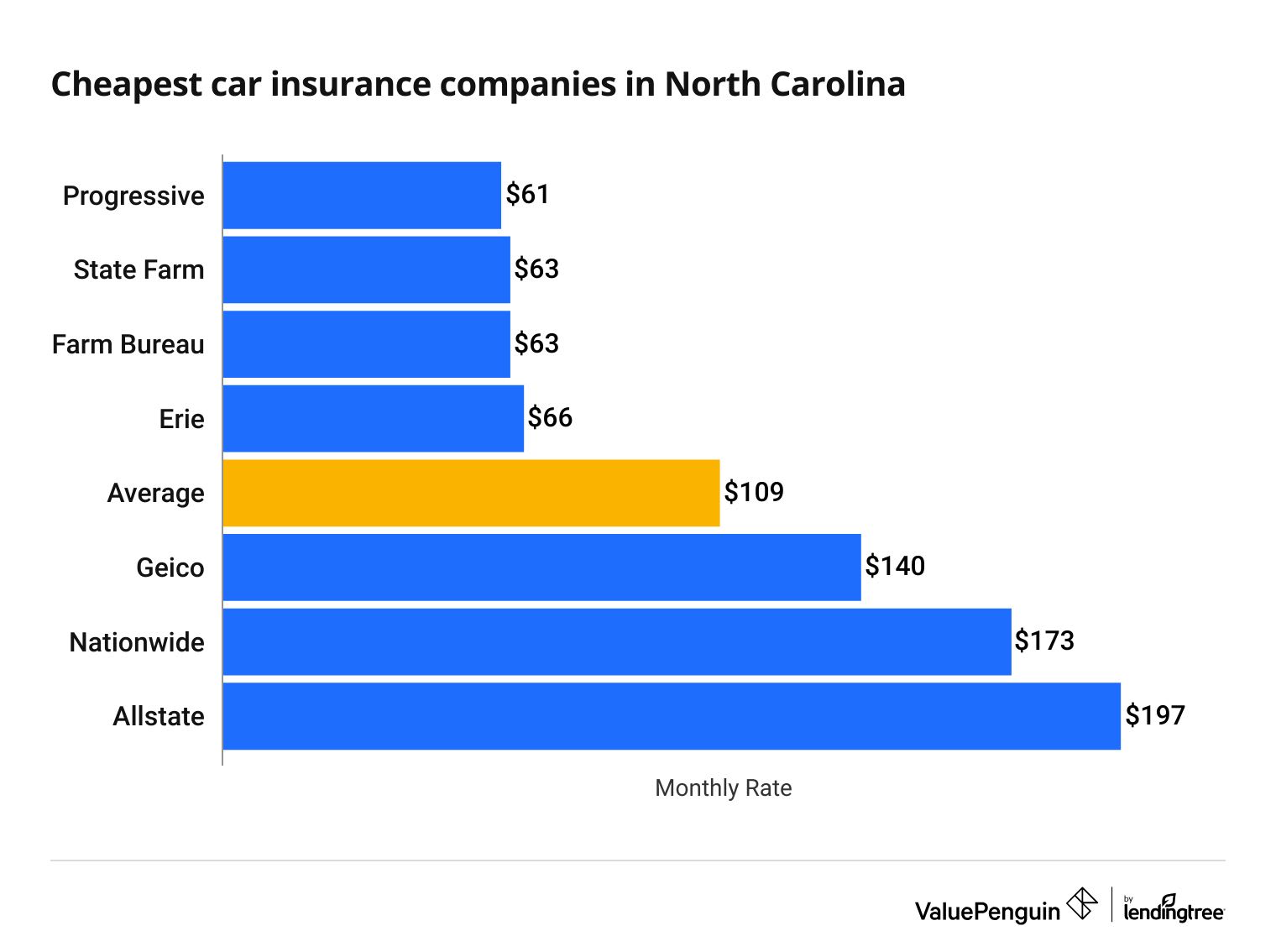
Did you know that many people in North Carolina miss out on insurance discounts simply because they don’t know they exist? You could be one of them. Let’s change that.
Most insurers offer a variety of discounts, but spotting them is the trick. Here is the deal: these discounts can significantly lower your premiums if you know where to look. Let’s dive into what you need to know.
Common Insurance Discounts in North Carolina
Here’s a rundown of the most common discounts you can find:
- Safe Driver Discount
- Multi-Policy Discount
- Good Student Discount
- Anti-Theft Device Discount
- Pay-in-Full Discount
- Low Mileage Discount
- Home Safety Features Discount
These are just a few of the options. You might qualify for all of them, some of them, or none at all. BUT, that’s why it’s crucial to identify which ones apply to your situation.
Maximizing Your Savings on Insurance Premiums
So, how do you make sure you’re getting the best deal? Step #1: Start by bundling your policies. Combining your home and auto insurance can lead to significant savings.
Step #2: Don’t forget to ask about discounts for safe driving. Many insurers in NC have telematics programs that monitor your driving habits. Drive safely and watch your rates drop!
Pro Tip: Always ask your insurance agent about potential discounts. Some discounts aren’t advertised, but they might be available if you know to ask.
Step #3: Maintain a high credit score. Yes, your credit score can affect your insurance premiums. A higher score often means lower rates.
Qualifying for Specific Discounts
Every insurer has its own criteria for discounts. To qualify, you often need to meet specific requirements. For example, the Good Student Discount typically requires maintaining a “B” average or better.
For the Safe Driver Discount, you must have a clean driving record, free from accidents or violations over a certain period.
Want the Pay-in-Full Discount? That’s easy—pay your annual premium upfront instead of monthly.
Keep these strategies in mind and watch your insurance costs decrease while your savings grow. Remember, knowledge is power when it comes to securing the best rates.
Regulatory Environment and Its Impact
Did you know that regulatory changes can make or break your insurance rates in North Carolina? It’s true! The regulatory environment is a major player in shaping how much you pay for insurance.
The North Carolina Department of Insurance (NCDOI) oversees the state’s insurance industry. They set the rules and ensure that insurance companies play fair. But, here’s the deal: recent regulatory shifts have started shaking things up.
Recent Regulatory Changes and Their Impact
North Carolina has seen some major regulatory changes recently. These changes focus on improving consumer protection and preventing price gouging. The NCDOI is tightening rules on how insurers can set their rates. This means some insurance rates might go down, but others could go up depending on the insurer’s past practices.
Pro Tip: Keep an eye on regulatory updates. They can have a direct impact on your premiums and coverage options.
The Role of the North Carolina Department of Insurance
The NCDOI is not just a figurehead. They actively regulate insurance practices to maintain fairness and transparency. They approve rate changes, oversee complaints, and even conduct audits to ensure compliance. Their main goal? Protect consumers like you from unfair practices.
Regulations and Consumer Protection
Insurance regulations are designed to safeguard your interests. They ensure that you get a fair deal and aren’t overcharged. For instance, the NCDOI requires insurers to justify their rate increases. This transparency means you’re less likely to be blindsided by unexpected hikes in your insurance costs.
Future Trends in Insurance Rates
Ever wonder where insurance rates in North Carolina are headed? The landscape is changing fast, and if you’re not paying attention, you might miss how these shifts could impact your wallet.
The insurance industry is on the brink of transformation, driven by technological advancements and evolving environmental conditions. These elements could drastically alter how insurance rates are calculated in the coming years.
Emerging Trends Affecting Insurance Rates
So, what’s changing? Data analytics and AI are revolutionizing the insurance sector. Insurers are leveraging these technologies to more accurately assess risk and set premiums. This means you might soon see personalized pricing based on your specific habits and behaviors.
But here’s the deal: While technology offers opportunities for lower rates for some, it could mean higher rates for others based on predictive models. It’s like a double-edged sword.
Impact of Technology on Insurance Offerings
Technology isn’t just tweaking rates; it’s transforming the entire product offering. Telemetry, for example, allows insurers to gather real-time data from your car. Imagine having your premium adjusted monthly based on how you drive.
Pro Tip: If you’re a safe driver, these advancements could save you big bucks!
Predictions for the Next Five Years
In five years, expect dynamic pricing to become the norm. More companies will adopt usage-based insurance models, which could mean more flexible and competitive pricing structures for you.
Also, watch out for the rise of insurtech startups. They’re bringing fresh ideas to the table, likely shaking up the traditional market dynamics.
Impact of Climate Change on Insurance Rates in NC
Climate change is no joke, and its effects are already making waves in the insurance industry. In North Carolina, the frequency of hurricanes and flooding is increasing. This means insurers are likely to adjust rates to account for higher risks associated with these events.
Here’s a stat that might shock you: In areas prone to natural disasters, insurance rates could jump by up to 30% in the next decade.
Clever policy adaptations and climate resilience measures could mitigate some of these impacts.
Last Word
As you venture into the world of insurance in North Carolina, remember that knowledge is your ultimate ally. By understanding the intricate dynamics of insurance rates and staying informed about regulatory changes, you can navigate this landscape with confidence. Whether you’re seeking the most competitive rates or aiming to maximize your savings through strategic discounts, the power is in your hands. Happy insurance hunting, and may you unlock the best rates North Carolina has to offer!
Frequently Asked Questions
What factors influence insurance rates in North Carolina?
Insurance rates in NC are influenced by factors such as location, demographics, driving record, and the type of coverage chosen. Additionally, local regulations and market trends also play a significant role.
How have insurance rates changed in North Carolina over the past decade?
Over the past decade, insurance rates in NC have seen a steady increase, influenced by factors like economic conditions, regulatory changes, and natural disasters.
Which cities in NC typically have higher insurance rates?
Cities like Charlotte, Raleigh, and Durham often have higher insurance rates due to factors like higher traffic density and urban risk factors.
What types of insurance are most popular in North Carolina?
Auto, home, and health insurance are among the most popular types of insurance policies in NC, with residents often opting for comprehensive coverage.
How can I qualify for insurance discounts in North Carolina?
Qualifying for discounts often involves maintaining a good driving record, bundling policies, or opting for safety features that lower risk. Speaking directly with your insurer can also offer insights into available discounts.
